
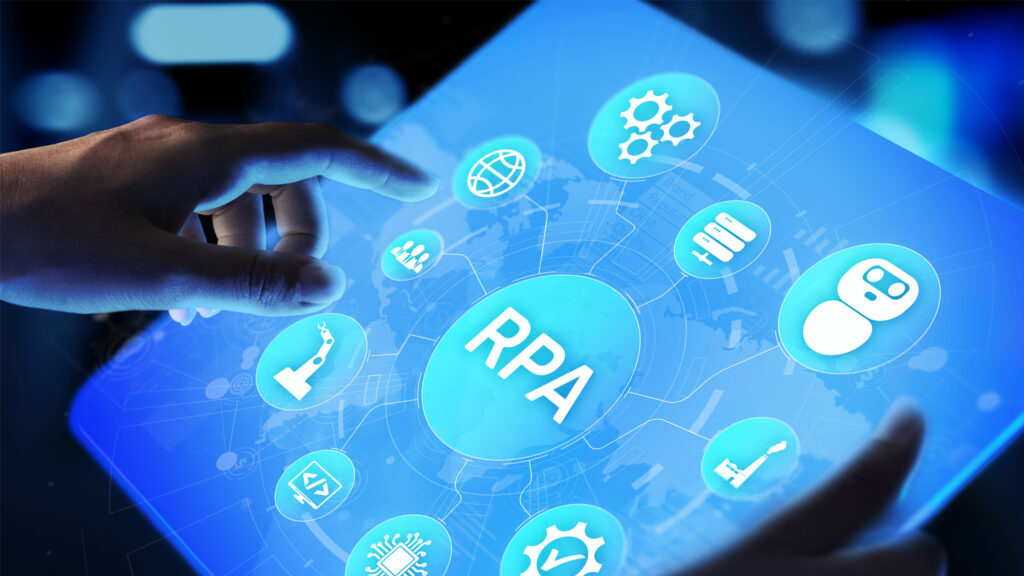
Many companies that adopt Robotic Process Automation enjoy substantial early gains from their efforts, including greater efficiencies and reduced menial labor, and win plenty of fans throughout the company. If your organization has yet to implement RPA and you believe it’s a good move, you’ll want to make a solid case to get that effort

In the world of programming languages, two giants have stood the test of time: COBOL and Java. While Java has become the go-to language for modern web development, COBOL continues to power critical systems in industries such as finance and healthcare. This article will delve into the technical differences between COBOL and Java, bridging the
In our Modernization Strategies series, we look at the full range of modernization pathways available to organizations that maintain legacy applications. Today, we will focus on the ‘replace’ strategy. The ‘Replace’ Strategy Explained The replace strategy involves swapping out an old system with a new one that better fits the current and future needs of
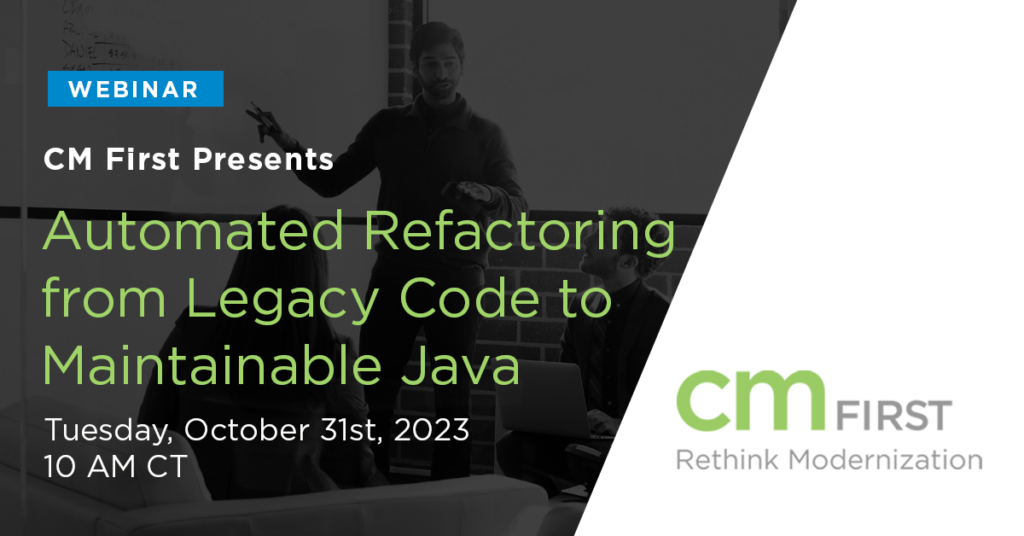
In this webinar, you will learn how to "refactor" your legacy app developed in COBOL, RPG, or CA 2E (Synon) directly to maintainable runtime-free Java and JS. Demo included.
In our Modernization Strategies series, we look at the full range of modernization pathways available to organizations that maintain legacy applications. In this article, we focus on refactoring, a key process that involves modifying and improving the internal structure of code without altering its external behavior. This concept becomes particularly significant when dealing with legacy
In our Modernization Strategies series, we look at the full range of modernization pathways available to organizations that maintain legacy applications. In this article, we focus on Replatforming. I’ll define it, explain the pros and cons, and outline best practices. What is Replatforming? Replatforming, also known as “lift-tinker-and-shift,” involves moving parts of a system without